
Foot discomfort and pain is a common issue that many people face, regardless of their age, gender, or level of activity. Whether caused by an injury or a chronic condition, foot pain can significantly affect your daily life and limit your mobility.
However, understanding the root cause of your foot discomfort and pain can help you find the right treatment and achieve much-needed relief. In this blog post, we will explore the common causes of foot discomfort and pain, as well as the available remedies that can help alleviate your symptoms.
From plantar fasciitis and bunions to arthritis and neuropathy, we will discuss the various conditions that can cause foot pain and explain how they manifest.
Additionally, we will provide practical tips on how to prevent and manage foot discomfort and pain, including proper footwear, stretching exercises, and lifestyle changes. Whether you are an athlete looking to improve your performance or an office worker seeking relief from standing all day, this post will provide you with a comprehensive guide to understanding foot discomfort and pain.
Identifying Causes of Foot Pain
One of the first steps in finding relief from foot discomfort and pain is identifying the underlying causes. There can be a variety of reasons why your feet may be hurting, ranging from injuries and overuse to medical conditions such as arthritis and plantar fasciitis.
It is important to consult with a healthcare professional if you are experiencing persistent foot pain, as they can help you determine the Foot condition by area, find the root cause and develop an appropriate treatment plan. Some common causes of foot pain include poor footwear choices, high-impact activities, and improper foot mechanics.
By identifying the specific cause of your foot pain, you can take the necessary steps to address the issue and reduce your discomfort.
Common Foot Conditions and Diagnoses
Understanding Foot Discomfort and Pain: How to Find Relief is a comprehensive guide to help individuals better understand common foot conditions and diagnoses. Two of the most common foot conditions are plantar fasciitis and Achilles tendinitis.
Plantar fasciitis is characterized by pain in the heel and arch of the foot caused by inflammation of the plantar fascia, a thick band of tissue that runs along the bottom of the foot. Achilles tendinitis is the inflammation of the Achilles tendon, which connects the calf muscles to the heel bone.
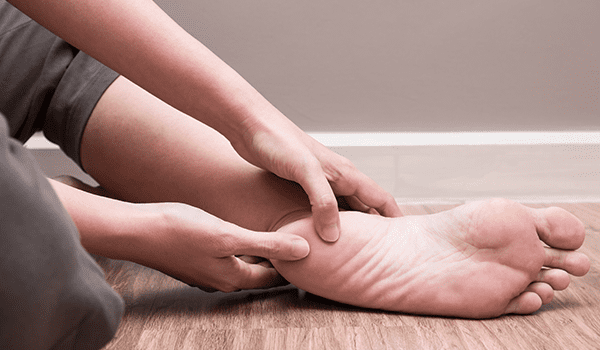
This condition is often caused by overuse or repetitive stress and can result in pain and stiffness in the back of the heel. Understanding these common foot conditions and diagnoses is the first step in finding the right treatment and relief for your foot discomfort and pain.
Treatment Options for Relief
When it comes to finding relief from foot discomfort and pain, there are several treatment options available. The first step in determining the appropriate treatment plan is to accurately diagnose the cause of the pain. This may involve a physical exam, imaging tests, or blood work.
Once a diagnosis has been made, treatment options may include physical therapy, medication, or alternative therapies such as acupuncture or chiropractic care. Physical therapy may involve exercises to strengthen the affected area or stretching to improve flexibility.
Medications may include over-the-counter pain relievers or prescription drugs such as anti-inflammatory medications or muscle relaxants. Alternative therapies, such as acupuncture or chiropractic care, may also be effective in reducing pain and discomfort.
It is important to work with a healthcare provider to determine the best course of treatment for your individual needs.
Prevention Techniques for Future Discomfort
Prevention techniques for future discomfort are crucial for maintaining foot health and preventing future pain. One of the best ways to prevent foot discomfort is by wearing comfortable and supportive shoes. Shoes that are too tight or too loose can cause discomfort and contribute to foot pain.
Additionally, it is important to maintain a healthy weight to avoid putting unnecessary strain on the feet. It is also recommended to stretch the feet and calf muscles regularly to improve flexibility and reduce the risk of injury.
Proper foot care, such as regularly washing and moisturizing the feet, can also promote overall foot health. By utilizing these prevention techniques, individuals can minimize the risk of future discomfort and maintain healthy, pain-free feet.
Consulting with a Healthcare Professional
If you are experiencing foot discomfort or pain, consulting with a healthcare professional is a crucial step in finding relief. A healthcare professional can help diagnose the underlying cause of your foot pain and recommend appropriate treatment options. This may include physical therapy, medication, or in some cases, surgery.
Additionally, a healthcare professional can provide guidance on proper foot care and footwear choices to prevent further injuries or discomfort. It is important to choose a qualified healthcare professional, such as a podiatrist or orthopedic specialist, who has experience and expertise in treating foot conditions.
Don’t hesitate to seek out professional help if you are experiencing foot pain – it can make a significant difference in your overall quality of life.
In conclusion, foot discomfort and pain can be caused by a variety of factors, ranging from medical conditions to lifestyle choices.
It’s important to pay attention to the signals your feet are sending you and take the necessary steps to find relief. By maintaining good foot hygiene, choosing proper footwear, and seeking medical attention when necessary, you can alleviate discomfort and prevent it from becoming a chronic issue. With the right care and attention, your feet will be able to carry you through your daily life with ease and comfort.
It takes a unique sort of person to thrive in the challenging world of biotech entrepreneurship. Equipped with the abovementioned qualities, entrepreneurs can navigate the intricacies of the biotech landscape and lead the way in bringing transformative solutions to many of the world’s problems.
Read Also
- Top Trends Shaping the Future of Mental Health Care
 Mental health care is moving fast to meet daily human needs. People want direct care that fits modern life. Clinics respond by creating flexible options that make healing easier to reach. Providers look past rigid habits to give people solid care. From smart tools to body wellness, these changes help people find relief when life… Read more: Top Trends Shaping the Future of Mental Health Care
 - Full-Arch Dental Tourism: Why UK Patients With Severe Bone Loss Are Looking AbroadDental implants have become one of the fastest-growing segments of private dentistry. Within that market, one patient group behaves very differently from the rest: people who have been told they do not have enough upper jawbone for conventional implants. For these patients, the choice is rarely between one clinic and another. It is between a… Read more: Full-Arch Dental Tourism: Why UK Patients With Severe Bone Loss Are Looking Abroad
- Levels of Mental Health Care and When to Seek SupportMental health care can range from occasional outpatient appointments to 24-hour hospital treatment. The appropriate level depends on safety, symptom severity, daily functioning, medical needs, available support, treatment history and personal preferences. A licensed clinician should assess these factors rather than relying on a symptom list alone. Need help now? In the United States, call… Read more: Levels of Mental Health Care and When to Seek Support
- How to Choose a Shilajit Brand Based on the ResearchIn a randomized trial published in the Journal of the International Society of Sports Nutrition in 2019, 63 active men took 250 mg of standardized shilajit, 500 mg, or a placebo every day for eight weeks, and the benefit for strength retention after a fatiguing workout appeared only at 500 mg. For anyone choosing a… Read more: How to Choose a Shilajit Brand Based on the Research
- How to Incorporate Relaxation into Your Busy ScheduleFinding balance when you have a packed daily agenda often feels out of reach. Between work duties, family obligations, and personal projects, personal rest usually gets pushed to the bottom of the list. Small, intentional shifts in daily habits can help restore calm without requiring hours of extra free time. Continue reading to discover everything… Read more: How to Incorporate Relaxation into Your Busy Schedule